
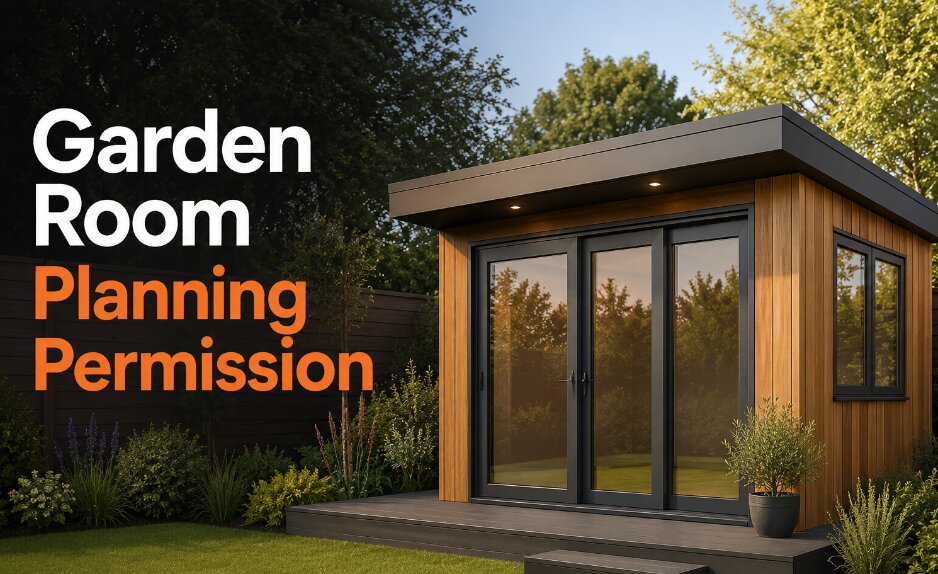
Do You Need Planning Permission for a Garden Room?
So, you’ve finally decided to upgrade your garden. Maybe you want a quiet garden office to escape the kitchen table, or perhaps a luxury garden gym where no one can hear you grunting. Before you start picking out paint colours, a rather important question usually pops up: do you need planning permission for a garden room?
You’re not alone in asking this. We hear it all the time from homeowners across Surrey and outer London. Thankfully, getting a stunning garden room doesn't always mean months of council paperwork. We're here to break down the rules, highlight the common pitfalls, and show you exactly what to do next.
The short answer (because you’re busy)
Let's cut right to the chase. Many garden rooms fall under something called permitted development, which means you can often build without formal planning permission. However, it heavily depends on the size, height, location, and intended use of your new space.
Surrey boasts a huge mix of properties. You might have a tight town garden in Banstead or Epsom, or a sprawling plot out in the Surrey Hills villages. Because every home is different, the details absolutely matter. A quick garden room planning permission check early on will save you a lot of stress down the line.
Planning permission vs permitted development
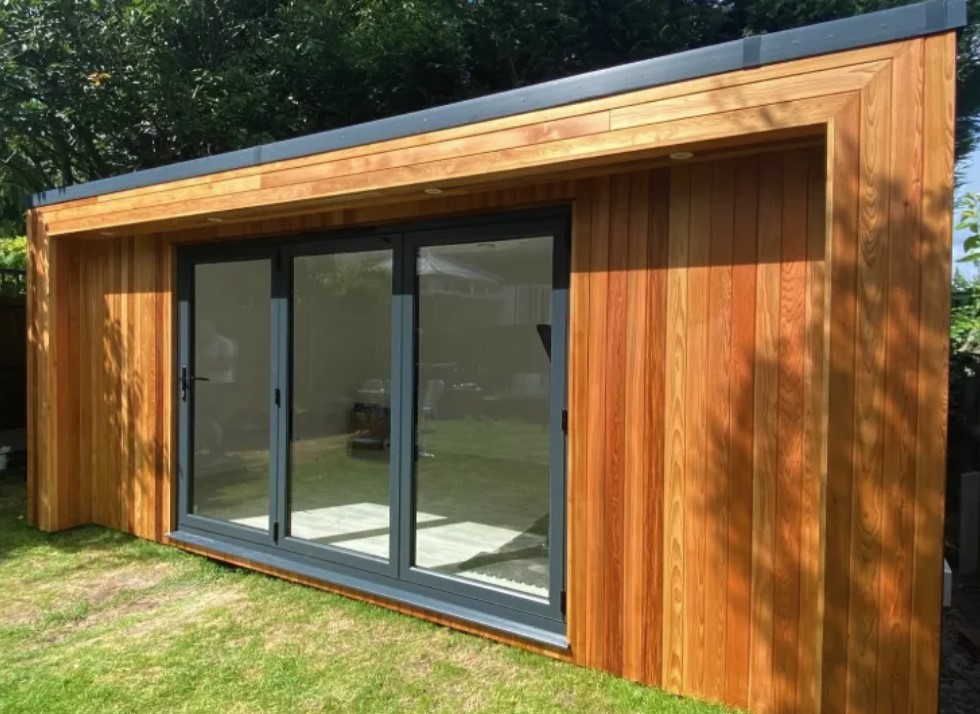
To understand the rules, it helps to know the difference between these two terms. Planning permission is a formal request you submit to your local council to build or alter a property. It involves applications, fees, and waiting periods.
Permitted development rights, on the other hand, are a set of national rules that automatically grant you permission to perform certain building works. Think of it as a pre-approved green light. Just keep in mind that permitted development is still strictly rules-based. It's certainly not a free-for-all where you can build a massive skyscraper next to your neighbour's fence.
When a garden room usually doesn’t need planning permission
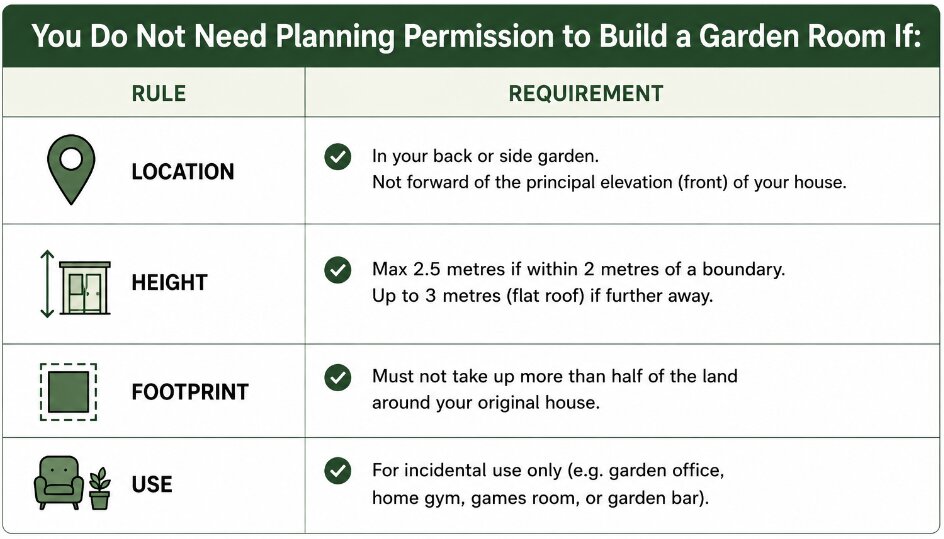
If you stick to the permitted development guidelines, your project should sail through without formal council approval. Here are the typical rules of thumb for outbuildings in plain English:
Location: It must sit in your back or side garden. You cannot build it forward of the principal elevation (the front) of your house.
Height: If your garden room is within two metres of a boundary, the maximum overall height is 2.5 metres. If it's further away, you can usually go up to three metres for a flat roof.
Footprint: Your new build, combined with any other outbuildings or extensions, must not take up more than half the land around your original house.
Use: It must be strictly incidental to the enjoyment of the house. That means a garden office, a home gym, a games room, or a garden bar are generally perfectly fine.
The common reasons you might need planning permission for a garden room
Now for the watch-outs. Even with permitted development, certain scenarios will automatically trigger the need for formal planning permission.
Protected areas: If you live in a conservation area, an Area of Outstanding Natural Beauty, or your home is a listed building, the rules are much stricter.
Used-up allowances: If previous owners have already built large extensions or multiple sheds, you might have exhausted your permitted development rights.
Taller designs: Sometimes you just want a bit more headroom. If your design exceeds the height limits for its proximity to the boundary, you'll need to apply.
Sleeping accommodation: This is a big one. If you plan to use the space as a self-contained annexe or regular sleeping accommodation, the council will view it very differently to a simple garden studio.
Raised platforms: Adding high decking or raised verandas around your room can also push you over the permitted limits.
If you want, we can talk it through and flag any red flags before you commit.
What about building regulations?
A common point of confusion is mixing up planning permission with building regulations. They're two separate things. Planning deals with the appearance and impact on the neighbourhood, while building regulations focus on safety and structural integrity.
Most small garden rooms don't need building regulations approval. However, if you want a space built properly for year-round use, it'll likely involve professional electrics, robust insulation, and sometimes plumbing for a garden salon or steam room. Depending on the exact specification and the internal floor area, these elements might trigger compliance checks. We always encourage getting professional guidance to avoid expensive fixes later.
Surrey-specific considerations (the bits people forget)
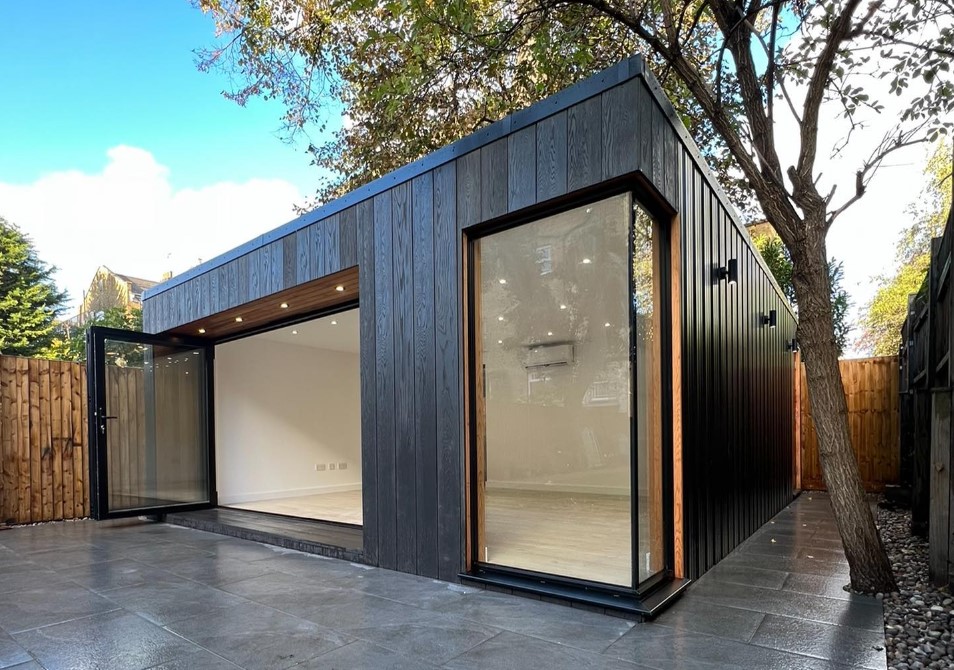
Building in Surrey brings its own unique set of quirks. We work all over the county, from Guildford and Woking to Reigate and Farnham. Across these areas, you'll find plenty of older character homes and protected greenbelt land. Extra checks often apply here.
You also need to think about your neighbours. A new building blocking their sunlight or looking directly into their patio can cause friction. Additionally, consider the access to your garden. Bringing materials through a narrow terraced house requires careful logistical planning compared to a wide-open driveway.
How we help you avoid planning headaches
At Outer Room, we design, manufacture, and install luxury insulated garden rooms meant to be used year-round. We know the local rules inside out, and we'll guide you straight from the initial concept through to design, build, and completion.
During our first chat, we talk through your idea and flag any planning considerations early. We design around your specific garden and intended use, whether that's a sleek garden office, a robust gym, or a cosy bar. Our focus is always on solid structure, weather resistance, and low-maintenance materials, ensuring your new space looks stunning for years to come.
Quick pre-build checklist
Before you get too carried away with interior design boards, run through this quick checklist:
Measure your available footprint and the proposed height.
Note how close the building will sit to your boundary lines.
Confirm the location is behind the front of your house.
Check if your property has conservation or listed status.
Decide exactly how the room will be used (workout space versus guest sleeping space).
Consider the electrics, heating, and insulation implications.
When in doubt, it's always best to get advice. Feel free to contact our team via our contact page for a quick sanity check.
Frequently asked questions
Do you need planning permission for a garden room in Surrey?
Many don’t, thanks to permitted development rights. However, factors like the size, height, location, intended use, and your property's specific status all matter.
What size garden room can I build without planning permission?
It depends on multiple factors, primarily how close you build to the boundary and how much garden space you already have available. We highly recommend measuring your plot carefully and checking the current government guidelines.
How close to the boundary can a garden room be?
You can build right up to the boundary, but your proximity directly affects the permitted height limits. If you are within two metres of a boundary line, the maximum overall height is strictly capped at 2.5 metres.
Does a garden room need planning permission in a conservation area?
Often, yes. There are usually extra restrictions placed on homes in conservation areas to protect the local character. Always check with your local authority first.
Do listed buildings need planning permission for a garden room?
Yes, you'll very likely need additional consents and face specific constraints. It's crucial to seek professional advice early if your home is listed.
Is a garden office different from a garden room for planning?
For planning purposes, 'use' is what matters. A home office is typically considered incidental to the main house and is much simpler to approve than an annexe-style setup intended for sleeping.
Do I need building regulations approval for a garden room?
Sometimes. While small rooms are often exempt, adding comprehensive electrics, plumbing, and heating for year-round use can trigger building regulations. This is entirely separate from planning permission.
Can I put a toilet/bathroom in a garden room?
It's definitely possible, but adding plumbing may affect building regulations and occasionally planning considerations. We highly recommend getting early professional input if you want a bathroom.
How long does it take to design and build a bespoke garden room?
This varies based on the complexity of the project. Once we've scoped out your specific requirements, we provide a realistic and clear schedule.
Can you help me figure out if my garden room needs planning permission?
Absolutely. We're always happy to talk through your site, proposed design, and intended use to see exactly where you stand.
Final thoughts
Figuring out planning permission garden room rules doesn't have to be a nightmare. The vast majority of projects fall neatly under permitted development, allowing you to create an incredible new space without the council paperwork. But as we've covered, the details really do matter. Taking a little time to verify your heights, boundaries, and property status will save you a massive headache later.
Let's bring your garden room to life
If you want total peace of mind before you spend a single penny, we're here to help. We offer a friendly, jargon-free chat to sense-check your planning position and explore your design options. Whether you're after a garden salon in Banstead or a quiet studio in the Surrey Hills, we'll build you a bespoke space that lasts.
Give us a call, drop us an email or visit our contact page to get started.